 Appletun Grove
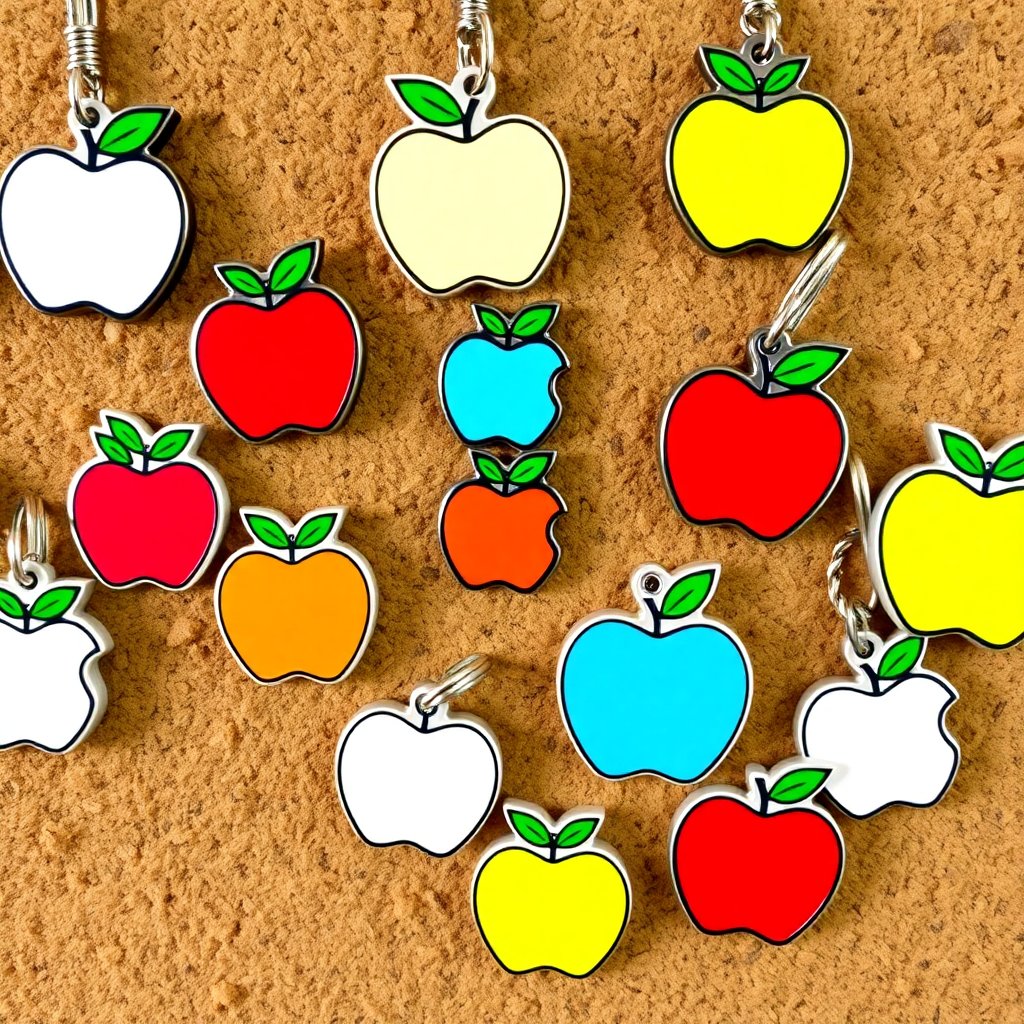
Plush take up shelf space and cards live in binders, but a pin or a keychain goes everywhere you do. For a lot of Appletun fans, that everyday portability is the whole appeal — the apple dragon riding along on a backpack strap, a lanyard, a jacket lapel, or a set of keys. This guide walks through what actually separates a good Appletun pin or keychain from a disappointing one, how to avoid the bootleg flood, and how to build a small, well-chosen collection instead of a drawer full of regrets.
Why pins and keychains are the smartest entry point
Collecting the apple dragon can get expensive fast once graded cards and large plush enter the picture. Pins and keychains sit at the opposite end: they are usually the most affordable merch a character has, which makes them a low-risk way to start or to fill in around a bigger collection.
They also solve a problem every collector eventually hits — display fatigue. A shelf can only hold so much before it stops reading as curated and starts reading as cluttered. Pins mount on a felt board or a lanyard; keychains clip to a bag or a hook. Both let you keep adding without surrendering another square foot of room. If you are already thinking about how to stage your larger pieces, our Appletun collection display ideas post covers the shelf side, and pins slot neatly into that same wall as a vertical accent.
The portability cuts the other way too. A pin on a work bag is a tiny, quiet signal that finds the other Applin-line fans in a crowd. That social function is a real part of why enamel pins exploded as a hobby, and it is worth keeping in mind when you choose which design to wear versus which to keep sealed.
Hard enamel vs soft enamel: the one distinction that matters
Before you buy anything, learn the single most useful piece of jargon in the pin world: the difference between hard enamel and soft enamel. It governs price, durability, and how the pin feels in your hand.
Hard enamel is polished flat after firing, so the metal lines and the colored fill sit on the same level — smooth as glass across the whole face. These pins are more scratch-resistant, hold up better to daily carry, and generally feel more premium. They cost more to produce. Soft enamel leaves the colored areas recessed slightly below the raised metal borders, giving the surface a subtle texture you can feel with a fingernail. It is cheaper, allows for finer detail and more colors, and often shows off intricate line work better. The trade-off is that the exposed metal edges can scratch and the recessed color can chip if you are rough with it.Neither is objectively "better." For an Appletun pin you plan to wear on a backpack through daily commutes, hard enamel survives the abuse. For a detailed display piece that shows every ridge of the apple lattice and stays on a board, soft enamel can look richer for less money. The jewelry-industry overview of vitreous enamel is a solid primer if you want to understand why fired-glass enamel behaves the way it does on metal.
When you shop, the listing should tell you which process was used. If it does not, that silence is itself a small warning sign about the seller's attention to quality.
→ Shop Appletun enamel pins on AmazonHow to judge quality from a photo
Most pins are bought online, which means you are grading a listing photo rather than the object. A few things to scan for:
- Crisp metal lines. The raised borders between colors should be clean and even, not wavy or broken. Blurry or inconsistent lines usually signal a sloppy mold or a cheap recast.
- Full, even color fill. Look for flat, saturated color inside each metal cell. Bubbles, thin patches, or color bleeding over the lines are defects.
- A plating that matches the design. Gold, black-nickel, and silver plating each change how the apple dragon reads. Appletun's warm greens and golds tend to pop against a gold or antique-brass border.
- A pictured backing. Quality listings show the back, the clutch or locking mechanism, and ideally any backstamp. A seller hiding the back is often hiding a generic recast.
For keychains, apply the same logic to the charm plus one extra check: the hardware. The jump ring, clasp, and chain are where cheap keychains fail first. A solid lobster clasp and a welded jump ring outlast the flimsy split rings that come on bargain charms.
→ Shop Appletun keychains on AmazonThe bootleg problem — and how to sidestep it
The apple dragon is popular enough to attract a steady stream of unlicensed pins and charms, especially from high-volume marketplaces. Some bootlegs are obvious; others are convincing enough to fool a quick scroll. The tells overlap heavily with the plush world, so if you have read our guide on how to spot fake Appletun plush, a lot of this will feel familiar.
For pins and keychains specifically:
- Off-model color. Bootleggers often guess at the palette. Appletun's green should read as a soft apple-skin green, not neon or muddy. A weirdly bright or desaturated apple is a flag.
- Missing or fake backstamps. Official and reputable artist pins frequently carry a backstamp or come on a branded backing card. Generic blank backs on a design claiming to be official deserve scrutiny.
- Prices that are too good. A detailed hard-enamel pin sold for pocket change, shipped from an anonymous seller, is almost always a recast of someone else's artwork.
- Stolen artwork. Many bootlegs are direct copies of independent artists' fan designs. Buying from the original artist's shop supports the person who actually drew it.
None of this means every inexpensive pin is fake — plenty of affordable licensed and fan-made pins are legitimate. It means you should read the listing, check the seller, and trust your eye on color and line quality before you click buy.
Backings, clasps, and keeping pins where you put them
A pin is only as good as the thing holding it on. The rubber clutch that ships with most pins is fine for a static display but notorious for falling off during active wear — which is exactly when you lose a pin you cannot easily replace.
The common upgrades, roughly from cheapest to most secure:
- Rubber/PVC clutches — the default; grippy but they wander loose over a day of movement.
- Deluxe metal clutches — a sturdier friction fit, better for bags and jackets.
- Locking pin backs — a mechanism you squeeze to release, the gold standard for pins you genuinely do not want to lose.
Swapping to locking backs on your favorite pieces is cheap insurance, and most sellers offer them by the pack in sizes that fit standard pin posts. If you wear your collection out in the world, this one small change saves more heartbreak than almost anything else.
→ Shop locking pin backs and clutches on AmazonDisplaying a pin collection without a shelf
Pins reward a different kind of display than plush or figures. A few approaches that work well for a themed set like Appletun:
Cork or felt pin boards let you arrange pins in a deliberate layout — say, the whole Applin line in evolution order, or a gradient of greens. Framed, a board turns a loose pile of pins into a single wall piece. Lanyards and pin banners are the portable version, ideal if you take pins to conventions or meetups. A dedicated trading lanyard also keeps your "keepers" separate from the duplicates you are willing to swap. IKEA-style fabric or cork inserts inside a shadow box give you a clean, dust-protected display that still reads as intentional. Pairing a few pins with one small figure inside a shadow box creates a tidy little diorama without committing a full shelf.Keychains, by contrast, are happiest in motion — on a bag, a zipper pull, or a hook by the door. If you have more charms than carrying capacity, a simple wall-mounted key rail turns the overflow into a small rotating display you can pull from.
→ Shop enamel pin display boards on AmazonBuilding a small, intentional set
The temptation with cheap merch is to buy everything. Resist it. A focused set of five to ten well-chosen Appletun pins and charms almost always looks better — and costs less over time — than a sprawling pile of impulse buys.
A framework that works:
- One anchor pin. A single standout hard-enamel piece you genuinely love, treated as the centerpiece.
- The evolution line. Applin, Flapple, Dipplin, Hydrapple, and Appletun together tell a story most casual viewers immediately get.
- One seasonal or variant design. A Gigantamax-inspired pin or a holiday colorway adds a splash without diluting the theme.
- A daily carry keychain. The one you actually clip to your bag and let get a little worn, guilt-free.
That structure keeps a collection coherent and gives each new purchase a reason to exist. It also pairs naturally with gift-giving — pins and keychains are ideal small presents for a fellow fan, and our Appletun gift ideas post has more along those lines if you are shopping for someone else.
The takeaway
Pins and keychains are the apple dragon at its most accessible: affordable, portable, and endlessly displayable. Learn the hard-versus-soft enamel split, grade listing photos for clean lines and honest backs, dodge the bootlegs with a quick color-and-seller check, and upgrade the backs on anything you plan to wear. Do that, and a modest handful of pieces will carry Appletun with you far longer — and far more cheaply — than almost any other corner of the hobby.
Affiliate disclosure: some links above are Amazon affiliate links, and Appletun Grove may earn a small commission on qualifying purchases at no extra cost to you. Quality and authenticity tips reflect general collecting experience; always inspect listings and sellers before buying.