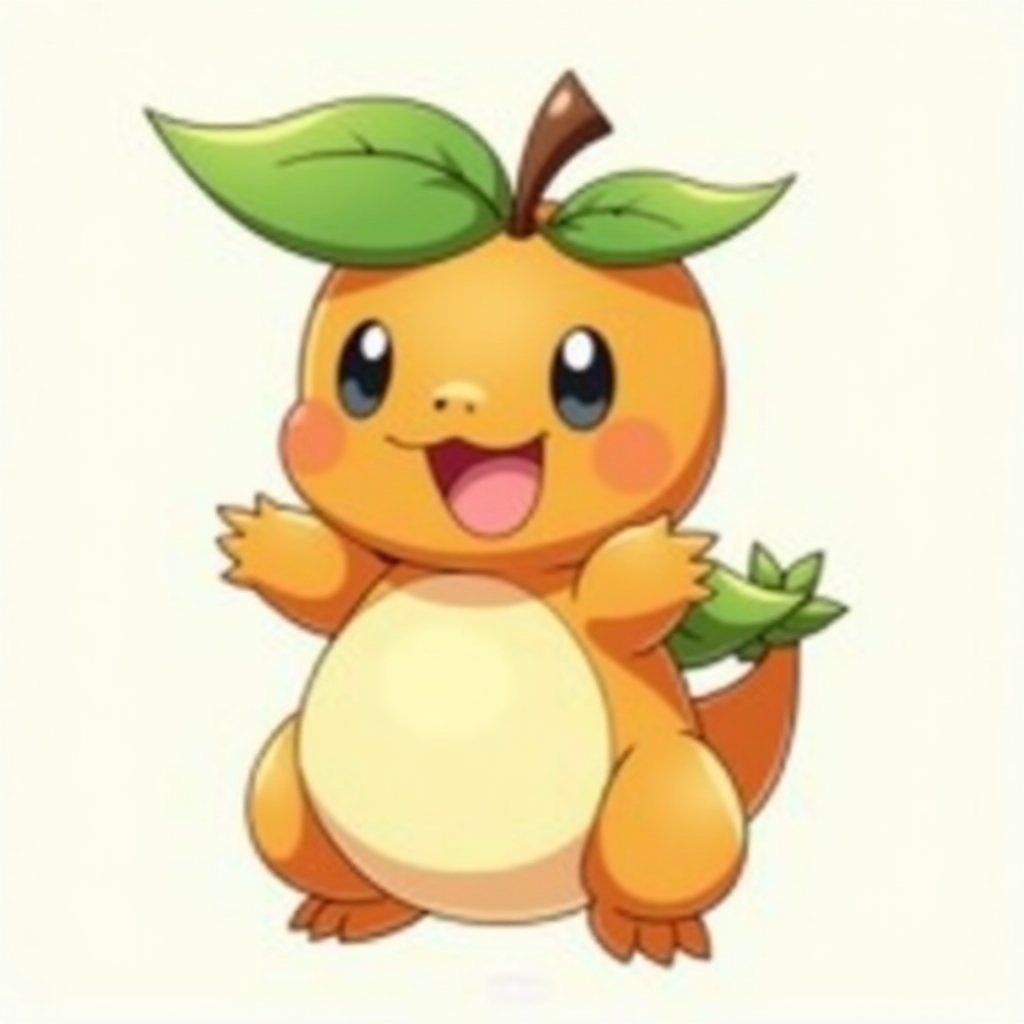
 Appletun Grove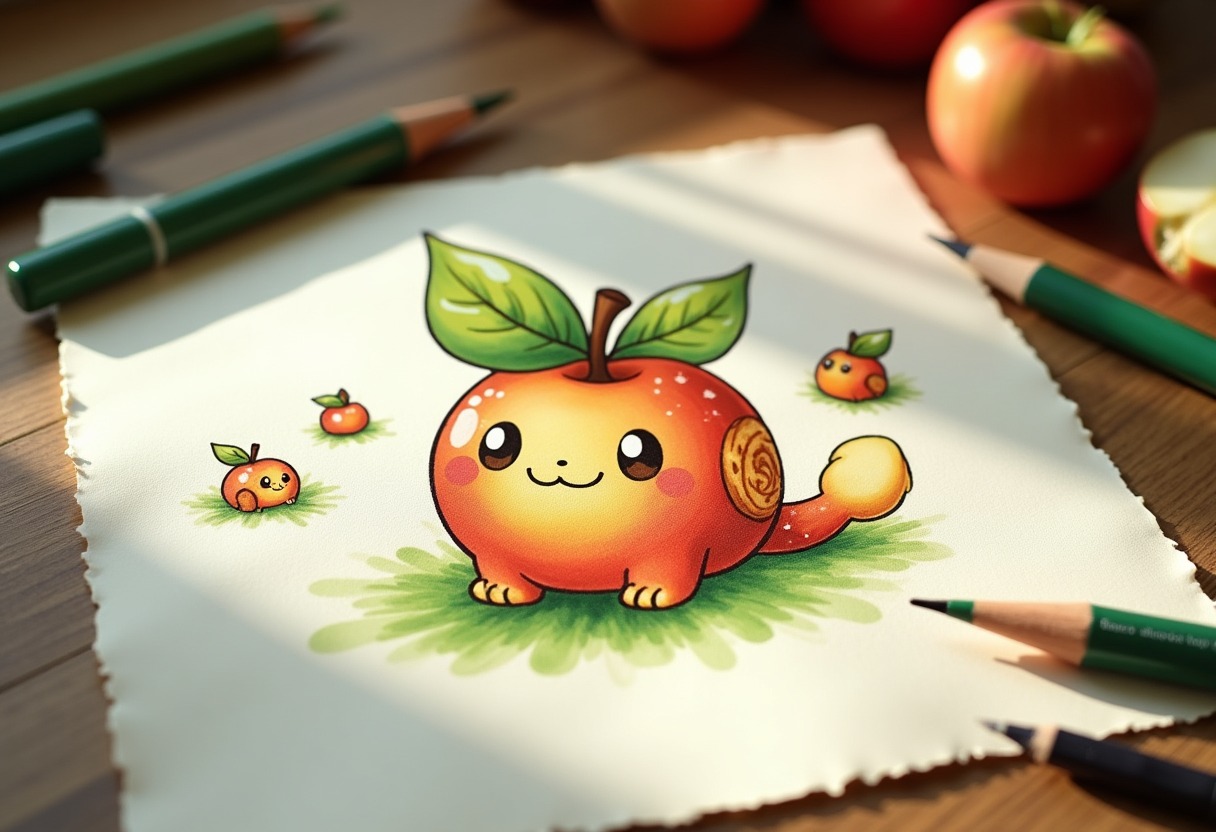
Appletun's round, apple-pie body and dopey grin make it one of the most tattoo-friendly Pokémon in the entire roster. Unlike aggressive dragons or hyper-detailed legendaries, this Grass/Dragon type translates beautifully across every tattoo style—from a thumb-sized ankle piece to a statement shoulder composition that wraps around your arm.
Why Appletun Works Exceptionally Well as Tattoo Art
The design anatomy of Appletun) solves the three biggest problems people face when choosing Pokémon tattoos: readability at small sizes, versatility across artistic styles, and emotional warmth. Its simple silhouette—rounded body, stubby legs, leaf-topped head—remains instantly recognizable whether rendered in single-line minimalism or fully shaded realism.
Tattoo artists consistently rank food-based Pokémon among the easiest to execute well because the organic shapes flow naturally with body contours. Appletun's pie-crust ridges create built-in line guides for shading, while its green-to-cream gradient offers natural color zoning that looks intentional rather than forced. The character's inherently cozy aesthetic pairs perfectly with cottagecore and comfort-focused tattoo trends that have dominated Instagram and Pinterest boards since 2023.
For collectors who already display their love through Appletun plush or curate their card collection, permanent body art represents the ultimate expression of fandom—one that travels everywhere you do.
Minimalist Linework and Fine-Line Designs
Single-line and fine-line Appletun tattoos occupy the sweet spot between subtle and recognizable. These designs typically measure 1-3 inches and work exceptionally well on wrists, ankles, behind the ear, or along the collarbone. The key is finding an artist who specializes in clean, consistent line weight—any wobble becomes magnified at small scales.
A simple outline version focuses on Appletun's rounded body profile with minimal interior detail. The most successful iterations include just enough definition—the pie-crust edge lines, eye dots, and signature leaf crown—to prevent the design from reading as an abstract apple. Some people add a tiny sparkle or heart near the design to emphasize the "sweetness" aspect without adding complex shading.
Fine-line styles also accommodate subtle personalization: incorporating your favorite berry (which plays into the Applin evolution story), adding a small Pokéball, or pairing Appletun with Flapple for twin or sibling tattoos. These modifications keep the tattoo meaningful to you while maintaining the clean aesthetic that ages gracefully.
If you want to test placement and sizing before committing, → Shop temporary Pokemon tattoos on Amazon offers washable versions you can apply and live with for several days.
Watercolor and Illustrative Color Styles
Watercolor Appletun tattoos capture the soft, storybook quality that makes this Pokémon feel like it wandered out of a children's book. This style uses soft color bleeds, minimal outlines, and painterly gradients to create an almost dreamy effect. The green portions of Appletun's body blend into cream and yellow tones, often with intentional "splash" marks extending beyond the body outline.
Artists typically execute these as 4-6 inch pieces on forearms, thighs, or shoulder blades where the color has room to breathe. The technique requires an artist experienced in color theory—watercolor tattoos look stunning fresh but need proper saturation levels and strategic black anchoring to prevent the design from looking muddy as it ages.
Illustrative styles take a different approach, embracing bold outlines and cel-shaded colors reminiscent of official Pokémon artwork. These designs mirror the aesthetic seen on trading cards and game sprites, using distinct color blocks separated by clean black lines. This approach tends to age better than pure watercolor because the strong outline structure holds the composition together even as colors naturally soften over years.
Both styles benefit from artist portfolios that show healed work—ask to see photos taken 6-12 months after the initial session to judge how their color work settles into skin over time.
Traditional and Neo-Traditional Bold Designs
American Traditional and Neo-Traditional styles transform Appletun into a completely different aesthetic—one that emphasizes bold lines, limited color palettes, and graphic punch. Traditional Appletun tattoos use the classic sailor tattoo approach: thick black outlines, solid color fills (usually just green, cream, and red), and minimal shading achieved through strategic hatching.
Neo-Traditional versions expand the color range and add dimension through graduated shading while maintaining that bold, readable quality. These designs often incorporate decorative elements like roses, banners with text ("Sweet Dreams" or "Thicc Juice" references nod to Appletun's G-Max move), or geometric patterns that frame the character.
The bold-line approach makes these designs particularly suitable for areas that experience more wear and sun exposure—upper arms, calves, and backs. The thick outlines prevent blurring, and the simpler color application means fewer touch-up sessions over the tattoo's lifetime. Many collectors who maintain extensive Pokémon tattoo sleeves choose Traditional style specifically because it creates visual consistency across multiple pieces from different artists.
Placement matters significantly here: Traditional and Neo-Traditional work best at 5+ inches to accommodate the detail level without cramping the design. Smaller versions lose the style's characteristic impact.
Appletun Tattoo Style Comparison
| Style | Best Placement | Size Range | Aging Characteristics | |-------|----------------|------------|----------------------| | Fine-Line Minimalist | Wrist, ankle, behind ear, collarbone | 1-3 inches | Clean aging if line weight is consistent; may need touch-ups after 7-10 years | | Watercolor | Forearm, thigh, shoulder blade | 4-6 inches | Colors soften naturally; requires quality saturation upfront and occasional refreshing | | Illustrative/Cel-Shaded | Upper arm, calf, back | 3-5 inches | Excellent longevity due to strong outline structure; colors remain distinct | | Traditional/Neo-Traditional | Upper arm, thigh, back, calf | 5-8 inches | Industry gold standard for aging; bold lines prevent blur, solid fills last decades |
Full-Color Sleeve and Large-Scale Concepts
Appletun sleeve tattoos typically incorporate the Pokémon as a central anchor piece surrounded by thematic elements. Popular compositions include:
Orchard/Garden Scene: Appletun resting under an apple tree with falling blossoms, paired with other Grass-type Pokémon or nature elements. This approach works beautifully as a half-sleeve (shoulder to elbow) or full sleeve with background elements extending to the wrist. Evolution Journey: Featuring Applin's full evolution from the tiny worm form through the Sweet Apple trigger to final Appletun form. Some designs split Appletun and Flapple on opposite sides of the arm to show the branching path, which creates natural conversation opportunities about the evolution choice. Bakery/Cottagecore Theme: Appletun surrounded by pies, kitchen elements, wildflowers, and cozy domestic imagery that emphasizes its homey, comfort-food aesthetic. This pairs particularly well with people whose broader tattoo collection leans into cottage aesthetics or food themes.Large-scale designs require multiple sessions (typically 3-6 for a full sleeve depending on detail level) and substantial financial investment ($1,500-$4,000+ depending on artist rates and geographic location). The advantage is compositional freedom—your artist can adjust proportions, add personal elements, and create truly custom artwork rather than adapting flash designs.
If you're planning a larger piece, consider starting with a test session on a smaller design first. Working with an artist on a 3-inch Appletun on your calf lets you experience their process, pain tolerance in that body area, and see their healed work on your specific skin before committing to extensive sessions.
Choosing Your Artist and Preparing for Your Session
Finding the right tattoo artist matters more than the perfect design reference. Start by researching artists in your area who specialize in the style you want—Instagram and dedicated tattoo portfolio sites like Tattoodo make this straightforward. Look specifically for artists whose portfolios show:
- Multiple Pokémon or anime pieces (style familiarity)
- Clean, healed work posted alongside fresh photos
- Consistent line quality and color saturation
- Client testimonials mentioning communication and professionalism
Book a consultation before committing to the full session. Bring multiple Appletun reference images—official artwork, fan art styles you like, and examples from their portfolio that represent elements you want. Good artists will offer suggestions for adjustments based on your body's natural lines and proportions.
Prepare for your session by staying hydrated, eating a full meal beforehand, and avoiding alcohol for 24 hours prior. Bring reference images on your phone or printed out, snacks for longer sessions, and something to occupy your mind during breaks. For designs incorporating specific card artwork from your collection, bringing the physical card helps your artist match color tones precisely.
Many artists now offer → Shop tattoo stencil paper on Amazon so you can approve the exact placement and sizing before any needlework begins. This prevents the "it looked good on paper but wrong on my body" problem that leads to tattoo regret.
Testing Your Design Before Committing
Temporary tattoos and practice skin offer valuable preview opportunities. → Shop watercolor tattoo markers on Amazon lets you draw directly on your skin to test sizing and placement—particularly useful for asymmetrical placements where mirror-checking can be misleading.
For more permanent testing, some enthusiasts commission custom → Shop Pokemon temporary tattoo sheets on Amazon from artists on Etsy who specialize in creating temporary versions of final tattoo designs. These last 3-7 days and let you experience daily reactions: Does it show more than you expected in work clothes? Does the size feel right when you catch glimpses throughout the day?
Artists themselves use → Shop tattoo practice skin on Amazon to test techniques and color combinations. If you're working with an artist on a complex custom piece, some will create a practice version first to dial in the exact shading and color blend before working on your actual skin.
The investment in testing materials ($15-40 total) pales compared to laser removal costs ($200-500 per session, typically requiring 6-10 sessions for full removal). Anyone feeling uncertainty should extend their decision timeline rather than rushing into permanent ink.
What Most Tattoo Guides Miss About Pokémon Ink
Pokémon tattoos create instant community connections in ways generic designs don't. Appletun specifically signals you're deeper into the franchise than casual fans—this isn't Pikachu or Charizard. Expect conversations with other collectors, knowing nods from fellow Sword/Shield players, and genuine excitement from people who share your specific taste in cozy Pokémon aesthetics.
Consider how the tattoo fits within your broader collection plans. If you're building toward a Pokémon sleeve, starting with Appletun establishes a color palette and style your artist can match with future additions. Some collectors organize sleeves by generation, type, or evolution families—Appletun works beautifully as an anchor for Grass-type collections or Galar-region tributes.
Placement affects aging differently than most people realize. Areas with significant sun exposure (hands, forearms, shoulders if you wear tank tops frequently) fade faster and require more touch-ups. Interior placements (inner bicep, ribs, thigh) typically maintain color saturation longer but hurt more during application. For Appletun specifically, rounded placements (outer shoulder cap, calf curve) complement the character's circular body shape better than flat surfaces.
The most successful Pokémon tattoos balance fan service with broader artistic merit. Your Appletun tattoo should read as a well-executed piece of art to non-fans while delivering that extra recognition hit to people who know. This is why artist selection trumps perfect reference images—a skilled artist elevates any design, while a mediocre one can butcher even the most beautiful concept.
FAQ
How much does an Appletun tattoo typically cost?Small minimalist designs (1-3 inches) range from $80-200 depending on artist and location. Medium watercolor or illustrative pieces (4-6 inches) typically run $250-500. Large Traditional or Neo-Traditional designs (5-8 inches) cost $400-800. Full custom sleeves featuring Appletun start around $1,500 and can exceed $4,000 for detailed multi-session work. Shop minimums and hourly rates vary significantly by geographic region and artist experience.
Which body placement hurts least for a first tattoo?Outer forearm, outer bicep, and calf muscle offer the least painful first experiences because these areas have more flesh and fewer nerve endings compared to bony areas. Behind the ear, ribs, hands, and feet rank among the most painful. For Appletun specifically, upper arm placements complement the rounded body shape and hurt minimally.
How long does a small Appletun tattoo take to complete?Fine-line designs under 3 inches typically take 45-90 minutes including setup and stencil placement. Medium illustrative pieces (4-5 inches) require 2-3 hours. Large traditional or watercolor designs (6+ inches) need 3-5 hours, sometimes split across multiple sessions. Full custom sleeves require 15-30+ hours across multiple appointments.
Do watercolor Pokémon tattoos age poorly compared to traditional styles?Watercolor tattoos naturally soften as skin ages, but quality execution makes the difference. Artists who use proper saturation levels, include strategic black anchoring, and choose body placements with minimal sun exposure create watercolor work that remains recognizable for decades. Pure watercolor without any outline structure fades faster than styles with bold linework. Most watercolor Appletun tattoos benefit from touch-ups every 5-7 years.
Should I get permission from Nintendo or The Pokémon Company for a Pokémon tattoo?No permission is legally required for personal tattoos—your body art falls under personal use rather than commercial reproduction. The Pokémon Company doesn't pursue legal action against individual tattoo recipients. However, tattoo artists who use official artwork as flash designs (pre-drawn options available to multiple clients) operate in a legal gray area. Custom interpretations and original compositions based on the character face no legal concerns.
Closing
Your Appletun tattoo carries your story forward—choose an artist whose work you'll still admire when the ink is decades old and the Appletun plush on your shelf has become a beloved vintage collectible.
Some links on this page are affiliate links. We may earn a small commission if you purchase through them, at no extra cost to you.